
 EN
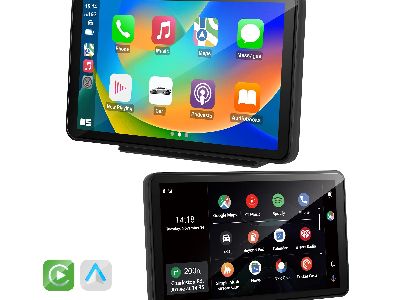
High definition small dash cams are essential tools for car distributors looking to enhance vehicle safety and provide valuable features for drivers. This factory buying guide for high definition small dash cams addresses key concerns for B2B buyers, including specifications, cost factors, and reliable supplier options. By understanding these critical areas, purchasing managers, distributors, and engineers can make informed decisions that align with their operational needs and customer expectations
Key Specifications to Evaluate in a High Definition Dash Cam
When selecting a high definition car dash cam, several specifications should be evaluated to ensure optimal performance. Key specifications include
Resolution: Look for cameras with a minimum resolution of 1080p (Full HD) to capture clear footage. Higher resolutions like 1440p or 4K offer even better detail, which is critical for identifying license plates or other important details in case of incidents
Field of View (FOV): A wide field of view (ideally 120 degrees or more) allows the camera to capture a broader area of the environment, reducing blind spots. This is particularly important for fleet vehicles that may operate in various conditions
Night Vision: Ensure the dash cam has good low-light performance, often indicated by the presence of infrared sensors or advanced image processing technology. This feature is vital for recording during nighttime or in poorly lit areas
Storage Capacity: Investigate the dash cam's storage options. Many models use microSD cards, and it’s essential to choose one that can accommodate larger capacities (64GB or more) to store extensive footage without frequent overwrites
GPS Functionality: GPS tracking adds value by providing location data during incidents. It can also help in monitoring fleet routes and driver behavior
Loop Recording: This feature allows the camera to overwrite the oldest footage automatically, ensuring continuous recording without the need for manual intervention
These specifications directly impact the camera's performance and usability, making them critical for buyers to consider during the purchasing process
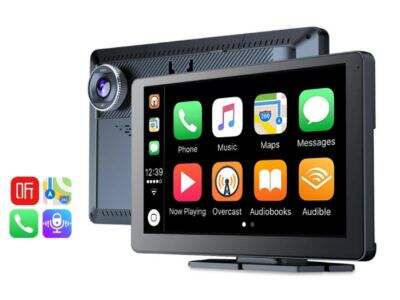
Wholesale Buying Tips for High Definition Small Dash Cams
When purchasing high definition small dash cams in bulk, certain strategies can help maximize value and ensure quality. Start by determining your specific needs—consider factors such as the intended use, installation requirements, and any additional features desired. Next, request samples from potential suppliers to assess the quality firsthand
Evaluate the following when negotiating wholesale purchases
Minimum Order Quantity (MOQ): Understand the supplier's MOQ as this can affect pricing and inventory management
Pricing: Get quotes from multiple suppliers to compare prices. Consider the total cost of ownership, which includes shipping, taxes, and potential customs duties
Customization Options: If your brand requires specific features or branding on the dash cams, inquire about customization capabilities. This can include software modifications or physical design changes
Warranty and After-sales Support: A robust warranty and reliable customer support are crucial. Ensure the supplier provides clear terms and means of contact for any post-purchase issues
Lead Times: Confirm production and delivery timelines to ensure they align with your business needs. A good supplier will provide realistic timeframes
By approaching the wholesale purchasing process with these considerations in mind, distributors can secure high-quality dash cams that meet their operational requirements
Understanding the Cost Factors of High Definition Dash Cams
The cost of high definition small dash cams front and rear can vary significantly based on several factors
Technology and Features: Higher resolution cameras and those equipped with advanced features (like GPS tracking and enhanced night vision) typically come at a premium. Assess which features are essential for your use case to avoid overspending
Brand Reputation: Established brands may charge more due to their reliability and proven track record. However, newer brands might offer competitive pricing for comparable quality
Production Scale: Bulk purchase discounts can play a significant role in reducing costs. Suppliers may offer lower unit prices for larger orders, so consider your inventory needs carefully
Material Quality: The materials used in the camera's construction affect durability and performance. Cameras made with high-quality components may cost more upfront but can result in lower failure rates and longer lifespans
Shipping and Handling: Factor in the costs associated with shipping, especially if importing from overseas. Different shipping methods can significantly affect total costs
Understanding these cost factors helps buyers negotiate better contracts and make informed purchasing decisions that align with their budgets
Where to Find Reliable Suppliers of Dash Cams for Cars
Finding trustworthy suppliers of dash cams is crucial for ensuring quality and reliability in your product offerings. Here are several strategies
Industry Trade Shows: Participating in automotive electronics trade shows can provide direct access to manufacturers and distributors. This face-to-face interaction often leads to better understanding and trust
-
Online Marketplaces: Websites like Alibaba, Made-in-China, and Globalsources can be good starting points for finding suppliers. Look for suppliers with verified credentials and positive reviews
Manufacturer Directories: Utilize directories specific to the electronics or automotive sectors, which can provide comprehensive listings of reputable manufacturers
Networking: Leverage your industry contacts to get recommendations for suppliers. Connections within the automotive electronics community can provide insights into reliable vendors
Local Manufacturers: Consider sourcing from local manufacturers, such as Shenzhen Boyi Electronics Co., Ltd., which specializes in automotive electronics and has a solid reputation in the industry
By exploring these avenues, purchasing managers can identify reliable suppliers that meet their specific needs
Installation Guidance for High Definition Dash Cameras in Vehicles
Proper installation of high definition small dash cam for car is critical to ensure optimal performance and functionality. Here are some installation tips
Location: The camera should be installed behind the rearview mirror to minimize obstruction of the driver's view while maximizing the capture area
Power Supply: Most dash cams can be powered via the vehicle's 12V socket or hardwired directly into the vehicle’s electrical system. Hardwiring provides a cleaner installation and ensures the camera remains powered when the vehicle is off
Cable Management: Ensure that cables are hidden and secured to avoid distractions or hazards during driving. Use clips or ties to keep wires organized
Testing: After installation, test the camera to confirm that it is functioning correctly. Check the recording quality, ensure proper angles, and verify that all features (like GPS) are operational
User Manual: Provide clear installation and operational manuals to end-users, which can help reduce installation errors and improve user satisfaction
By following these installation guidelines, distributors can ensure that their customers benefit from reliable performance and ease of use from their dash cameras
This comprehensive buying guide equips distributors and purchasing managers with the knowledge needed to select, purchase, and install high definition small dash cams effectively
Table of Contents
- Key Specifications to Evaluate in a High Definition Dash Cam
- Wholesale Buying Tips for High Definition Small Dash Cams
- Understanding the Cost Factors of High Definition Dash Cams
- Where to Find Reliable Suppliers of Dash Cams for Cars
- Installation Guidance for High Definition Dash Cameras in Vehicles