
 EN
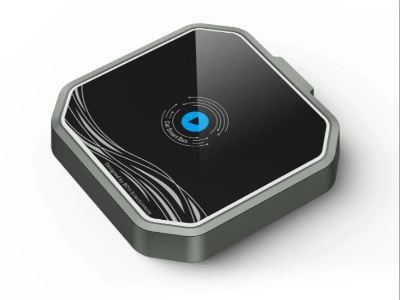
Mini Carplay Wireless Receivers are innovative devices that convert wired CarPlay connections into wireless ones, enhancing the user experience in modern vehicles. For B2B buyers, understanding the nuances of these products is crucial, as it directly impacts installation, compatibility, and overall performance. This article will cover essential considerations for selecting a Mini carplay wireless receiver, evaluating quality, cost factors for bulk orders, installation guidance, and their applications in contemporary vehicles.
What to Consider When Choosing a Mini CarPlay Wireless Receiver?
When selecting a Mini CarPlay Wireless Receiver, key factors include compatibility, performance specifications, and user interface. Compatibility is critical; the receiver must seamlessly integrate with both the vehicle’s infotainment system and the smartphone. Buyers should verify whether the adapter carplay wireless receiver supports the specific CarPlay version required by the vehicle.
Performance specifications such as latency, audio quality, and connection stability are also essential. A receiver with low latency will provide a smoother experience, while high-quality audio output enhances user satisfaction. Additionally, the ease of installation and the design of the receiver should align with the vehicle's aesthetics and technical requirements.
It’s also beneficial to consider the manufacturer’s reputation and customer support services. A supplier like Shenzhen Boyi Electronics Co., Ltd., with extensive experience in automotive electronics, can provide valuable insights into product reliability and performance.
How to Evaluate the Quality of Mini CarPlay Wireless Receivers?
Evaluating the quality of Mini CarPlay Wireless Receivers involves several critical steps. First, examine the materials used in the construction of the carplay smart screen receiver. High-quality plastics and metals not only contribute to durability but also affect signal transmission quality.
Next, review the product certifications. Certifications such as CE or FCC indicate compliance with international safety and quality standards. This can give buyers confidence in the product’s reliability and performance.
Furthermore, it is advisable to request samples for testing before placing bulk orders. This allows buyers to assess the receiver's performance under real-world conditions, including connection stability and ease of use. During testing, pay attention to factors like audio clarity during calls and music playback, as well as the responsiveness of the interface.
Cost Factors for Bulk Orders of Mini CarPlay Wireless Receivers
When considering bulk orders of Mini CarPlay Wireless Receivers, several cost factors come into play. The unit price typically decreases with larger quantities, but other costs can impact the overall budget. For example, shipping costs, import duties, and potential customs fees should be factored into the total price.
Customization options may also influence costs. If a buyer requires tailored features, such as specific branding or hardware modifications, these will add to the base price. Buyers should communicate their needs clearly to the manufacturer to receive accurate quotations.
Lastly, production lead time is a significant consideration. Manufacturers with robust production capabilities, like Shenzhen Boyi Electronics Co., Ltd., can provide timelines for delivery that align with the buyer’s project needs. Understanding lead times can help in planning inventory effectively and ensuring timely product availability.
Installation Guidance for Mini CarPlay Wireless Receiver Solutions
Installation of Mini CarPlay Wireless Receivers typically requires a basic understanding of automotive electronics. Most receivers come with detailed installation manuals, but it’s beneficial to consult with a professional installer to ensure proper setup.
Key installation considerations include the location of the receiver within the vehicle for optimal signal reception, as well as ensuring that all wiring is securely connected. It’s also important to check for software updates that may enhance performance or compatibility with newer smartphone models.
Before finalizing the installation, conduct a thorough test of the receiver's functionality. This includes checking the ease of connection with various smartphones, assessing audio quality, and verifying that all features function as intended. A well-executed installation can significantly enhance user satisfaction and reduce the likelihood of return issues.
Applications of Mini CarPlay Wireless Receivers in Modern Vehicles
Mini CarPlay Wireless Receivers have a wide range of applications in modern vehicles, enhancing both functionality and user experience. They are especially beneficial in vehicles that originally come equipped with wired CarPlay, as they provide a simple upgrade path to wireless connectivity.
In addition, these receivers can improve the resale value of vehicles. As consumers increasingly seek vehicles with advanced technology features, adding wireless CarPlay functionality can make a vehicle more attractive to potential buyers.
Moreover, Mini CarPlay Wireless Receivers can be used in fleet vehicles, allowing for consistent user interfaces across various makes and models. This standardization can simplify training for drivers and enhance the overall efficiency of fleet operations.
In summary, understanding the specific needs and requirements for Mini Carplay Wireless Receivers can greatly assist B2B buyers in making informed purchasing decisions that align with their operational objectives. With the right considerations in place, companies can enhance their product offerings and meet the growing demand for advanced automotive technology.
Table of Contents
- What to Consider When Choosing a Mini CarPlay Wireless Receiver?
- How to Evaluate the Quality of Mini CarPlay Wireless Receivers?
- Cost Factors for Bulk Orders of Mini CarPlay Wireless Receivers
- Installation Guidance for Mini CarPlay Wireless Receiver Solutions
- Applications of Mini CarPlay Wireless Receivers in Modern Vehicles