
 EN
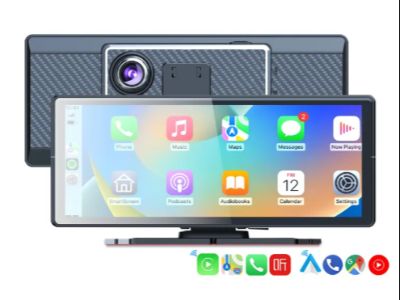
The Plug and Play Car Play Screen for Car Low Delay Audio Video Experience is an innovative solution designed to enhance in-vehicle entertainment and connectivity. As B2B buyers—such as purchasing managers, distributors, and automotive engineers—evaluate options for integrating this technology into their offerings, key concerns typically include product compatibility, audio-visual performance, and ease of installation. This article aims to provide practical insights that will help you make informed decisions when selecting, purchasing, and implementing Plug and Play carplay screen.
What to Look for When Choosing a Plug and Play Car Play Screen
When selecting a Plug and Play Car Play screen, consider the following key specifications:
Compatibility: Ensure the screen is compatible with the vehicle's audio and infotainment systems. This includes checking for compatibility with various smartphone operating systems, such as iOS and Android, to ensure seamless integration.
Screen Quality: Look for high-resolution displays that offer vibrant colors and wide viewing angles. A carplay screen for car with a resolution of at least 720p is recommended for a more enjoyable viewing experience.
Audio-Video Sync: Low delay in audio and video playback is crucial for a smooth experience. Investigate the latency specifications; ideally, it should be less than 100ms to prevent any noticeable lag.
Ease of Installation: A true Plug and Play system should require minimal wiring and tools for installation. Check whether the product includes detailed installation instructions and all necessary connectors.
Durability and Design: Consider the build quality of the screen and its ability to withstand various environmental conditions such as temperature fluctuations and vibrations commonly experienced in vehicles.
Warranty and Support: Reliable after-sales support can be invaluable. Look for products backed by a solid warranty and accessible customer service.
Cost Factors to Consider When Purchasing Car Play Screens Wholesale
Pricing for Plug and Play Car Play screens can vary significantly based on several factors:
Volume Discounts: Many suppliers, including Shenzhen Boyi Electronics Co., LTD., offer tiered pricing based on order quantity. Larger purchases often yield better pricing per unit.
Customization Options: Custom features, such as branded interfaces or unique design specifications, may lead to higher costs. Determine if customization is necessary for your market and how it impacts pricing.
Shipping and Logistics: Factor in shipping costs, which can fluctuate based on order size, destination, and chosen delivery method. Ensure your supplier can provide clear shipping timelines and costs upfront.
Market Trends: Prices can be influenced by market demand and technological advancements. Stay informed about the latest trends to negotiate effectively.
Payment Terms: Understand the payment terms offered by suppliers, as favorable payment conditions can improve cash flow and overall purchasing efficiency.
How to Ensure Low Delay Audio Video Experience in Car Play Systems
To guarantee a low delay audio-video experience, consider the following technical aspects:
Signal Processing: Investigate the internal signal processing capabilities of the Car Play screen. Efficient processors can significantly reduce latency by quickly processing audio and video signals.
Connection Type: Wired connections (such as USB-C) typically provide lower latency compared to wireless options (like Bluetooth). If low delay is a priority, opt for systems that prioritize wired connections.
Audio Codec Support: Ensure that the screen supports advanced audio codecs, which can enhance audio quality and minimize delay. This is particularly important for maintaining synchronization between audio and video.
Testing Under Real Conditions: Before mass production or deployment, test the screens in actual vehicle environments to assess performance under various conditions, including different speeds and road types.
Common Problems with Car Play Screens and Their Effective Solutions
As with any technology, Plug and Play Car Play screens can encounter common issues. Here are some problems and their solutions:
Connectivity Issues: Users may experience difficulties connecting their smartphones. Ensure that the android carplay screen firmware is updated regularly to support the latest smartphone software versions.
Audio Delay: If audio and video are out of sync, check the installation and settings. Make sure that any audio enhancements or equalizers are correctly configured to avoid processing delays.
Screen Flicker or Blackouts: These issues can arise from poor connections or faulty cables. Verify that all connections are secure and that high-quality cables are used. Conduct routine quality control checks during production to minimize such defects.
User Interface Problems: If the interface is not user-friendly, it can lead to a poor user experience. Conduct user testing during the design phase and gather feedback to refine the interface before mass production.
Applications of Plug and Play Car Play Screens in Modern Vehicles
Plug and Play Car Play screens have diverse applications in modern vehicles, including:
Infotainment Systems: These screens enhance the overall infotainment experience by providing access to navigation, music, and communication apps, allowing for safer and more convenient driving.
Fleet Vehicles: Companies operating fleet vehicles can benefit from these screens by equipping drivers with real-time navigation and communication tools, improving efficiency and safety.
Retrofitting Older Vehicles: For older vehicle models lacking modern infotainment capabilities, Plug and Play Car Play screens provide an accessible upgrade path, enhancing their functionality without extensive modifications.
Customization for Specific Markets: Certain markets may require tailored features, such as language options or specific app integrations. Consider the needs of your target audience when selecting products to offer.
By understanding these factors, B2B buyers can make informed decisions when integrating Plug and Play Car Play screens into their product offerings, ultimately enhancing the value provided to end-users.
Table of Contents
- What to Look for When Choosing a Plug and Play Car Play Screen
- Cost Factors to Consider When Purchasing Car Play Screens Wholesale
- How to Ensure Low Delay Audio Video Experience in Car Play Systems
- Common Problems with Car Play Screens and Their Effective Solutions
- Applications of Plug and Play Car Play Screens in Modern Vehicles