
 EN
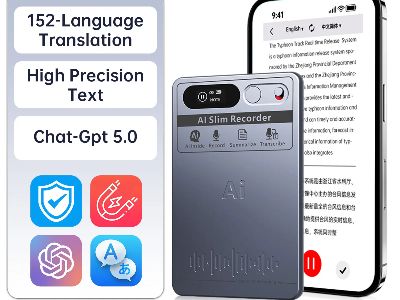
High sensitivity microphone voice recorder devices are essential tools for business enterprise buyers seeking to capture high-quality audio in various environments. These devices cater to a range of professional needs, from recording meetings and interviews to monitoring audio in automotive applications. As you consider investing in these devices, it’s crucial to understand the factors that influence selection, sourcing, and maintenance. This article will guide you through choosing the right product, sourcing options, pricing considerations, and common issues you might encounter.
How to Choose the Right High Sensitivity Microphone Voice Recorder?
Selecting the right high sensitivity microphone voice recorder device involves a careful evaluation of your specific requirements. Key factors include:
Audio Quality: Look for devices that offer high sampling rates and bit depths, which significantly enhance the clarity of recorded audio. A minimum of 16-bit depth and 44.1 kHz sampling rate are standard for professional recordings.
Sensitivity and Frequency Response: The microphone's sensitivity should match the intended recording environment. For quiet settings, opt for devices with higher sensitivity (measured in dB) to capture nuanced sounds. The frequency response range (typically 20 Hz to 20 kHz) should also be wide enough to capture all audio frequencies.
Connectivity Options: Consider whether you need USB, Bluetooth, or XLR connections. USB digital voice recorders offer convenience for direct computer recording, while XLR connections are standard in professional settings.
Portability and Design: If you require mobility, choose lightweight and compact designs that are easy to transport. Additionally, assess battery life and whether the device can operate without needing constant power.
Durability and Build Quality: Ensure that the recorder is built to withstand the intended usage environment. High-quality materials and protective features can enhance longevity, especially in industrial applications.
Where to Source Quality Microphone Voice Recorders in Bulk?
Sourcing high sensitivity microphone voice recorder devices in bulk can be accomplished through several channels:
Direct Manufacturers: Partnering with manufacturers like Shenzhen Boyi Electronics Co., Ltd. allows for customized solutions tailored to your specific needs. Manufacturers often provide competitive pricing for bulk orders and can offer insights into the latest technology and features.
Wholesale Distributors: These entities typically have established relationships with multiple manufacturers and can provide a range of options. Ensure they have a good reputation and verify their quality control processes.
Online Marketplaces: Platforms like Alibaba and Global Sources can be useful for finding suppliers, though it’s essential to conduct due diligence. Look for suppliers with positive reviews and verified business credentials.
Industry Trade Shows: Attending trade shows allows you to meet potential suppliers face-to-face, inspect products and negotiate terms directly. This personal interaction often leads to better deals and partnerships.
Wholesale Purchasing Guide for High Sensitivity Microphones
When preparing to make a wholesale purchase of high sensitivity microphones, consider the following steps:
Request Detailed Quotes: Provide suppliers with specific details about your requirements, including model preferences, quantities, and any customization needs. This helps in obtaining accurate quotes.
Evaluate MOQ (Minimum Order Quantity): Understand the MOQ set by suppliers. Some manufacturers may have flexible MOQ policies, especially for established partnerships.
Quality Assurance: Discuss the quality control processes your supplier employs. Request documentation or certifications that verify product quality and compliance with industry standards.
Sample Approval: Always request samples before committing to a large order. This allows you to assess the product's performance and suitability for your application.
Shipping and Lead Time: Confirm lead times and shipping methods to ensure timely delivery. Discuss potential delays and how they could affect your operational timelines.
Understanding the Cost Factors of Microphone Voice Recorders
The pricing of high sensitivity microphone voice recorder devices can vary significantly based on several factors:
Specifications and Features: Higher-quality microphones with advanced features, such as noise cancellation, integrated storage, or wireless capabilities, typically come at a premium.
Production Volume: Larger orders often result in cost savings due to economies of scale. Discuss bulk pricing with your supplier to negotiate better rates.
Material and Manufacturing Quality: The choice of materials used in the professional digital voice recorder construction can affect costs. Durable materials may increase initial costs but provide long-term savings through reduced replacement needs.
Customization Options: Tailoring products to specific needs can add to the cost. However, this investment can enhance functionality and performance in the intended application.
Market Demand: Seasonal fluctuations and technological advancements can affect pricing. Staying informed about industry trends can help you time your purchases effectively.
Common Problems with Microphone Recorders and Their Solutions
While high sensitivity microphone voice recorders are reliable tools, they can encounter common issues. Here are some problems and their solutions:
Poor Audio Quality: If recordings sound muffled or distorted, check the microphone placement and ensure it is positioned correctly relative to the sound source. Additionally, verify that settings such as gain levels are appropriately configured.
Connectivity Issues: Problems connecting to computers or other devices may arise from faulty cables or ports. Always use high-quality cables and check compatibility with your devices.
Battery Life: If the device frequently runs out of battery, consider using higher-capacity rechargeable batteries or ensuring that the device is fully charged before critical recordings.
Software Compatibility: Ensure that the recording software you are using is compatible with the microphone. Check for any necessary updates or drivers that may need installation.
Handling Noise: If handling or movement creates noise in recordings, consider using shock mounts or stands to stabilize the microphone during use.
By understanding these aspects of high sensitivity voice recorder device devices, business enterprise buyers can make informed purchasing decisions that align with their operational needs, ensuring quality audio capture in all professional environments.
Table of Contents
- How to Choose the Right High Sensitivity Microphone Voice Recorder?
- Where to Source Quality Microphone Voice Recorders in Bulk?
- Wholesale Purchasing Guide for High Sensitivity Microphones
- Understanding the Cost Factors of Microphone Voice Recorders
- Common Problems with Microphone Recorders and Their Solutions